
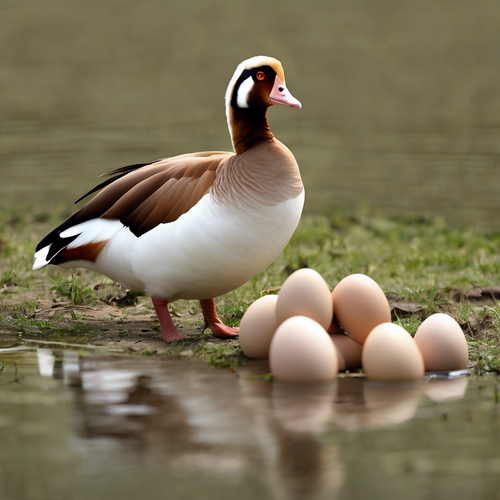
Legal Repercussions: North Miami Beach Man Charged for Allegedly Destroying Egyptian Goose Eggs
In a shocking incident raising eyebrows among wildlife advocates, a North Miami Beach man has been charged with criminal activity following allegations that he smashed the eggs of Egyptian geese. This case, spotlighting the intersection of human actions and wildlife preservation, has sparked a fierce debate about ethics and environmental responsibility in urban settings. 🦩
Authorities reported that the suspect was caught on surveillance cameras, allegedly engaged in the destructive act that has left many questioning the adequacy of wildlife protection laws in urban environments. Egyptian geese, known for their striking appearance and charm, are non-native but well-established in Florida. Their presence has raised complex issues surrounding ecological balance and the management of exotic species.
The Legal Landscape of Wildlife Protection
The illegal destruction of wildlife eggs constitutes a violation of several state and federal laws designed to protect migratory birds. The Migratory Bird Treaty Act, enacted in 1918, prohibits the taking, killing, or possession of migratory birds without a permit. In Florida, the Fish and Wildlife Conservation Commission (FWC) has similar regulations in place aimed at safeguarding both native and non-native species.
Legal expert Dr. Susan Martinez notes, “Cases like this can result in significant fines and potentially jail time, but they also serve as a crucial reminder about the role we play in preserving our ecosystems.” Legal repercussions for wildlife crimes can vary dramatically, but they often reflect society’s increasing awareness of the need to protect vulnerable species from harm. ⚖️
An Eye on Egyptian Geese: Invasive Species or Beloved Residents?
Originally from Africa, the Egyptian goose has adapted remarkably well to Florida’s climate, but opinions among residents remain divided. Supporters argue that they add beauty and diversity to local parks and neighborhoods, while opponents express concerns that they compete with native bird species for food and habitat. A 2020 report revealed that invasive species like the Egyptian goose can disrupt local ecosystems, impacting native flora and fauna. 🌍
The Importance of Wildlife Education
This incident underscores the significance of wildlife education and community engagement. Conservation groups consistently advocate for increased awareness about wildlife interactions, which can lead to more thoughtful decisions by residents regarding their coexistence with nature. Community initiatives, such as workshops and educational programs, aim to foster respect and understanding of local wildlife, promoting peaceful coexistence that respects both urban and natural ecosystems.
Residents can take proactive steps to learn about local wildlife regulations and how to protect habitats. Collaborative efforts between local governments and non-profit organizations have also begun to address the challenges posed by both native and non-native species, balancing ecosystem health and community preferences. 🐦
Cultural Reflections: The Broader Implications
The destruction of the Egyptian geese eggs serves as a mirror reflecting broader cultural attitudes toward nature and wildlife. The challenge lies in finding a middle ground between appreciation for the beauty that urban wildlife brings and the conservation efforts necessary to protect vulnerable species. How communities respond to such incidents often dictates their future ecological harmony.
“Every act of violence against wildlife is a step away from a balanced and sustainable future. We must challenge ourselves to be better stewards of our environment,” asserts John Carter, an environmental activist.
Moving Forward: Community Actions and Policy Changes
Following the incident, there’s renewed enthusiasm among residents for action. Calls for community meetings aim to discuss wildlife preservation strategies and the potential for policy enhancements. Advocating for more stringent penalties for wildlife crimes could serve as a deterrent for future incidents. 🌱
In the end, the recent charges against the North Miami Beach man will not only affect the individual involved but can catalyze a growing movement toward responsible wildlife interaction and protection. Awareness may begin with such incidents but needs to flourish through ongoing community dialogues and education to reinforce a culture of respect toward all living beings.

